


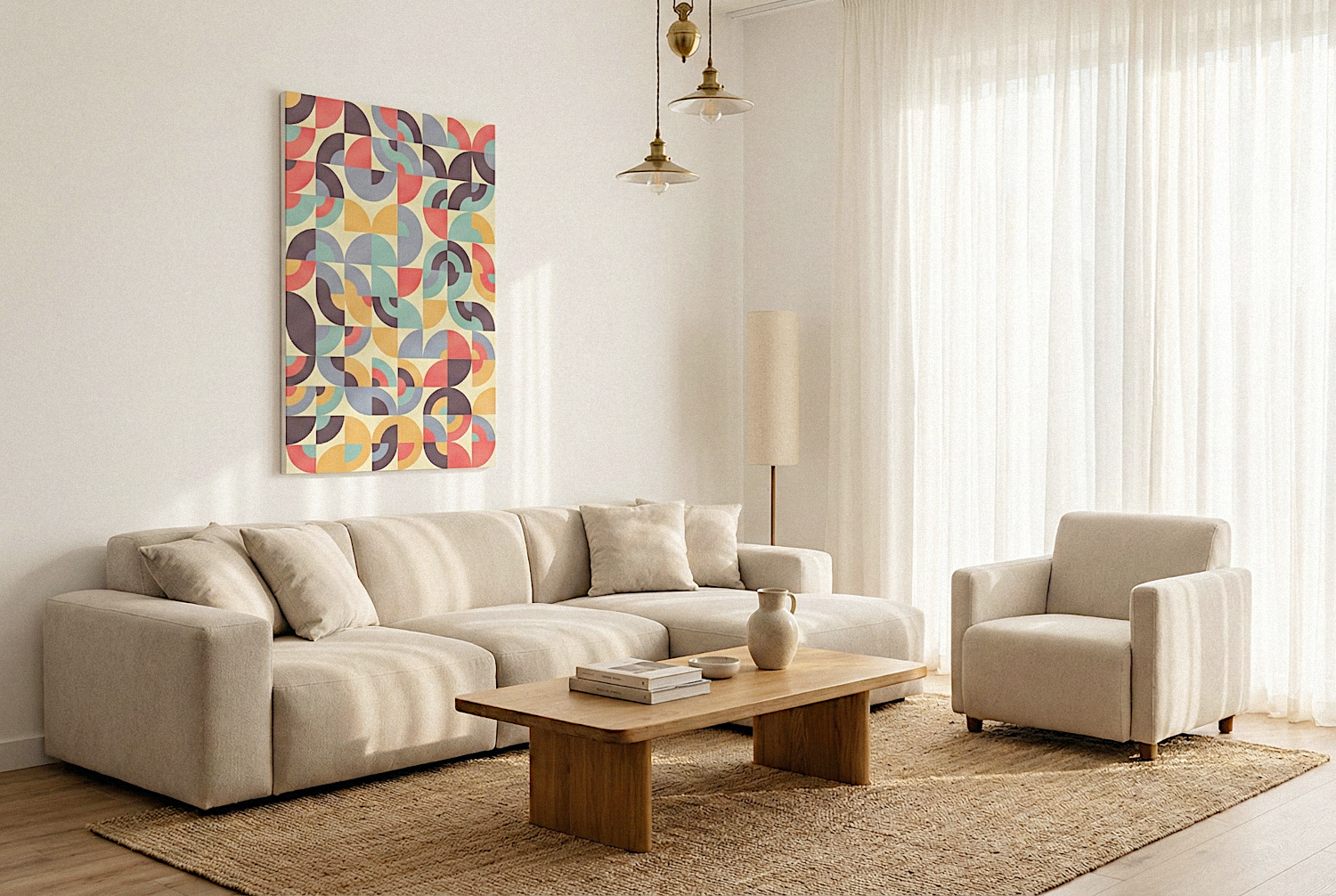
The moment I started researching what collectors are actually buying right now for their walls, I kept bumping into this surprising truth: nobody cares about matching their sofa anymore.
I know that sounds like an exaggeration, but the data backs it up. Interior designers are reporting that people walk into their spaces with one thing in mind, and it’s not about coordinating colors or filling empty wall space. It’s about transformation. They want their walls to do something to how they feel when they come home.
After months spent in homes, galleries, and collecting communities around the world, the shift is unmistakable. Wall art has stopped being decoration. It’s become something much more personal. And if you’re thinking about adding art to your walls this year, understanding what’s actually driving these changes will help you make choices you won’t second-guess in six months.
Let me walk you through what I’m seeing, because it might change how you think about what belongs on your walls.
We’re All Looking for Emotional Sanctuaries
There’s something happening in homes right now that most interior design articles miss. People aren’t building showcase rooms anymore. They’re building sanctuaries.
After years of screens, notifications, and constant information overload, collectors are being deliberately intentional about creating spaces that slow their brains down. The walls are becoming part of that strategy. And it’s not working when the art is flat, rushed, or algorithm-friendly.
What works is textured art. Dimensional surfaces. Pieces you want to stand in front of and actually look at, rather than scroll past. The work that’s selling fastest right now has physical depth, visible brushwork, or algorithmic complexity that reveals itself slowly. These pieces invite you to look longer, which means your nervous system gets more of what it needs: slowness.
This is why abstract paintings with commanding color fields are having a major moment. One oversized piece above a sofa or bed does more for a room’s emotional atmosphere than a whole gallery wall ever could. It becomes the focal point your eye settles on when you walk through the door. And because it’s substantial, it actually changes the feeling of the space.
If you’ve been thinking about adding wall art, this single insight changes everything. You’re not shopping for decoration. You’re shopping for how you want to feel at home.
People Want to Know You, Not Just See Your Work
Here’s something collectors consistently tell me: they want to own a piece of the artist behind the work.
This isn’t just nice to know. It’s reshaping how art gets sold. Forty-three percent of collectors now buy directly from artists’ studios or websites. They want the story. They want to understand what made you choose that specific color. They want to know if this piece came from something you experienced or something you processed through code.
When you’re shopping for art, you’re not just evaluating the final piece. You’re evaluating whether the artist’s vision connects with yours. And you’re asking: does this feel like it came from somewhere real?
This matters because it means the artists winning right now are the ones who explain their work. Not in a pretentious way. Just genuinely. Why you made those choices. What you were thinking about. The technical process or the emotional impulse behind it.
For generative artists particularly, this changes everything. The algorithm isn’t separate from your art. It’s an extension of your creative vision. When a collector understands that you custom-coded your algorithm to express something specific, that changes how they value it. They’re not buying algorithmic output. They’re buying your system. Your thinking.
The same applies to fine art photographers. The why behind the shot matters as much as the composition. What drew you there? What were you trying to capture? That context transforms the photograph from a pretty image into a meaningful story.
And for painters, the visible handiwork in your brushstrokes is part of the message. People can sense whether something was made with intention or rushed through. Slowness in the work translates to impact in the space.
Personalization Isn’t Just an Option Anymore
One of the clearest trends I’m tracking is that collectors no longer want to buy what everyone else is buying. Seventy percent of shoppers now prefer personalized items over standard alternatives. And when it comes to wall art, this preference becomes an actual purchasing decision.
This is where generative art has a natural advantage that traditional art forms are still figuring out. Algorithmic systems that can generate unique variations while maintaining your artistic coherence solve a collector’s dilemma. They want something that’s genuinely one-of-a-kind. That speaks to them specifically. But they also want it to be unmistakably yours.
With personalized generative art, you can offer both. A collector can choose colors, composition density, or aesthetic parameters that resonate with their space and sensibility, while the underlying algorithm ensures every variation is mathematically unique and deeply rooted in your artistic vision. It’s like having a custom commissioned piece without the months-long timeline or astronomical price tag.
The numbers on this are impressive. Products with personalization options see conversion rates jump by as much as 40 percent. People who spend time customizing something become more committed to the purchase. They’ve invested in the decision. The piece feels like theirs in a way off-the-shelf art never can.
For fine art photography, this opens possibilities too. Limited-edition prints with selective availability create scarcity. Collectors understand they’re getting something with real exclusivity. The print is signed, numbered, and limited. This enhancement in perceived value directly influences how much collectors will invest.
Texture and Dimensionality Win Against Flat
If I had to identify the single biggest shift in what collectors are buying, it’s this: flat art is losing ground to work that has depth and tactility.
This is partly about the rise of dimensional pieces, 3D wall sculptures, and layered mixed media. But it also applies to how visual texture plays out on a flat surface. A painting with thick, visible brushwork commands more attention than a smooth, digital-looking finish. Photographic prints with subtle texture in the substrate feel more present than glossy finishes. Algorithmic art that creates visual complexity that reveals itself slowly outperforms simple, clean geometric patterns.
The reason is psychological. We’re exhausted from screens. So when we look at wall art, we’re drawn to surfaces that feel analog, handmade, or complex. We want to see evidence of creation. That handmade feeling, even in algorithmic work, makes the piece feel like it came from someone, not something.
Abstract paintings benefit enormously from this trend. Large-scale abstracts with layered color fields, gestural brushwork, or dynamic composition create the immersive experience collectors are seeking. The painting becomes a portal into the artist’s visual thinking, not just a color block for the wall.
Size Actually Matters
The other trend that surprised me at first but now makes complete sense: collectors are moving away from gallery walls toward single, oversized statement pieces.
This is a fundamental shift in how people approach wall composition. Instead of building an intricate arrangement of multiple prints and frames, they’re selecting one commanding piece and giving it room to breathe. This piece becomes the architecture of the wall. Everything else in the room relates to it.
If you’re an artist, this is significant. It means work that reads at large scale, that has enough visual complexity or emotional impact to anchor an entire room, is outperforming smaller pieces. A 4×5-foot abstract painting or an oversized fine art photograph becomes the focal point. The conversation starter. The thing that transforms how the space feels.
Generative art scales beautifully in this direction. An algorithm designed to generate complex, layered abstract compositions can be output at any size without losing quality or visual interest. The larger the print, the more detail viewers discover. At 3×4 feet, your algorithmic work becomes an immersive experience rather than a wall decoration.
The Story Matters More Than You Think
When collectors buy abstract paintings, what are they actually buying?
Most people assume it’s the color or the composition. But when I talk to collectors about their purchasing decisions, the story keeps surfacing. They’re drawn to work that carries meaning. Even abstract work that doesn’t represent anything specific still communicates something about how the artist thinks, processes emotion, or sees visual relationships.
This is why it matters that you can articulate your work. Not in a way that limits interpretation, but in a way that invites collectors into your thinking. What were you exploring? Why those colors? What’s the visual principle that guides the composition?
For photographers, the story is often about place. Where was this taken? What were you capturing? Fine art photography sells significantly better when there’s context about location, moment, or emotional resonance.
For generative artists, the story is about your creative process. How did you develop the algorithm? What principles guide the parameters? What were you trying to achieve that couldn’t be achieved through other means? The more specific you can be about your intentionality, the more collectors understand they’re investing in your vision, not just the output.
The data backs this up: collectors who understand the story behind a piece are willing to spend significantly more. They’re not just buying the object. They’re buying part of your creative journey.
You Might Be Underestimating Emotional Connection
I recently saw a collector spend over an hour in someone’s studio, going back and forth between two pieces. Not because they were identical, but because they were trying to figure out which one told the story they wanted to live with.
This is what’s actually happening in the wall art market right now. People aren’t doing quick purchasing decisions. They’re asking: does this piece speak to me? Does it create the feeling I want in my space? Does it represent who I am or who I want to be?
This emotional evaluation happens at a deeper level than aesthetic preference. It’s about identity. It’s about transformation. It’s about creating an environment that supports how you want to feel.
This is why collectors are increasingly buying directly from artists. When you can see someone’s work in their studio, or read their voice on their website explaining their creative decisions, you get access to the emotional authenticity behind the work. That authenticity is what drives premium purchasing.
For generative artists, this emotional connection comes through your explanation of your algorithmic vision. For photographers, it comes through the stories behind your work. For painters, it comes through the visible handwork and your articulation of what you were exploring.
The artists winning right now are the ones who don’t hide their human element. They emphasize it.
What This Means for Your Wall
If you’re considering adding art to your space in 2026, here’s what actually matters:
First, look for work that has depth. Whether it’s literal dimensionality or visual complexity, you want pieces that reward extended looking. Oversized or immersive-scale work translates to greater impact in actual rooms. The larger piece outperforms the gallery wall of smaller pieces.
Second, seek out artists who can explain their work. Not pretentiously. Just genuinely. You want to understand what they were thinking about, what they were exploring, what’s meaningful to them. That context transforms the purchase from acquisition to connection.
Third, personalization is no longer a luxury. It’s becoming standard. If an artist can offer variations tuned to your space or preferences while maintaining their artistic coherence, that’s a significant advantage. Generative art excels here. But photographers can offer customized framing or print selections. Painters can create work on commission that speaks directly to a space.
Fourth, trust the artists building sustainable, thoughtful practices. Collectors now expect eco-conscious production. They want to know materials matter. They want artists who think about the environmental impact of their work. This signals deeper artistic intention overall.
The Generative Art Advantage
If I’m being honest, this is where I see the most interesting opportunity right now.
Generative art solves several collector problems simultaneously. It offers customization within artistic coherence. It provides genuine uniqueness while maintaining artist vision. It can scale across price points without losing sophistication. And when the artist explains their algorithmic thinking, it creates an intellectual and emotional engagement traditional art sometimes misses.
A collector can work with you to adjust parameters, select from variations, or even commission a unique algorithmic piece. They’re collaborating in your creative process. That collaboration deepens their connection to the work and their willingness to invest in it.
The personalized aspect matters enormously for conversion too. Studies show that when people spend time customizing a product, they become more committed to purchasing it. They’ve invested mentally in the decision. It feels like theirs.
Recommended products
-
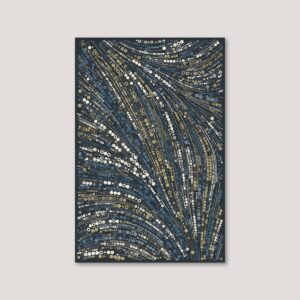
Abstract Wall Art Print | Generative Perlin Noise Flow | Dot Pattern Fine Art no.3
Price range: 150 ₪ through 2,000 ₪ -
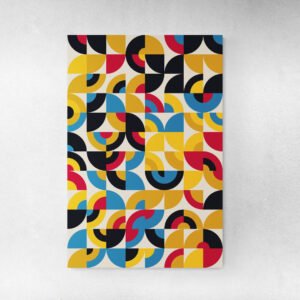
Custom Generative Wall Art Print | Personalized Geometric abstract artwork | Primal 12357
Price range: 150 ₪ through 2,000 ₪ -
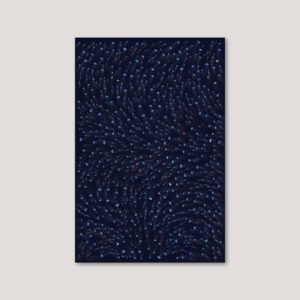
Deep Sea Art Print | Generative Jellyfish Swarm | Algorithmic Ocean Flow No.01
Price range: 150 ₪ through 2,000 ₪
Fine Art Photography Is Having Its Moment
Photography has been fighting for legitimacy in the fine art market for decades. But that’s changing.
Collectors are increasingly recognizing that exceptional photography deserves the same investment consideration as painting or sculpture. Limited edition prints with exclusivity, investment-quality production, and meaningful subject matter command serious pricing.
The advantage you have as a fine art photographer is that people inherently trust photography. It reads as truthful. This doesn’t mean no one values painting or generative art. But there’s an accessibility to photography that invites collectors in. “This is a real place. This is a real moment.” That grounding creates trust.
When you combine that trust with investment-grade production (museum-quality paper, archival inks, proper framing) and meaningful stories about your work, photography becomes a legitimate serious art purchase. Add personalization through custom framing options or limited variations, and you’ve addressed multiple collector desires.
Recommended products
-
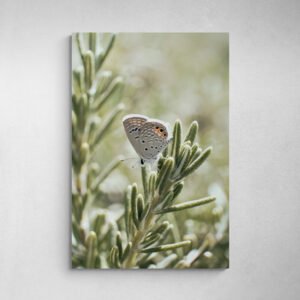
“Morning Serenity” – Fine Art Butterfly Photography from Jerusalem | Limited Edition
Price range: 150 ₪ through 2,000 ₪ -
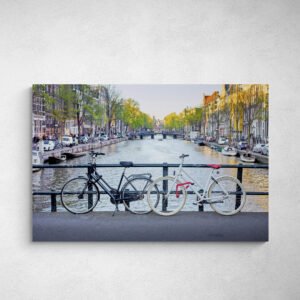
Amsterdam Bicycle Wall Art | Canal Bridge Fine Art Photography
Price range: 150 ₪ through 2,000 ₪ -
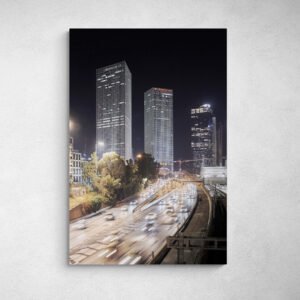
Cityscape Art Print | Long Exposure Urban Night | Israel Business Hub
Price range: 150 ₪ through 2,000 ₪
Abstract Painting Commands Presence
Large-scale abstract work with commanding color fields or complex layering is one of the hottest categories right now.
There’s a reason: abstraction doesn’t require explanation, but it does reward engagement. A collector stands in front of an abstract painting and they project meaning onto it. But they also appreciate the pure visual experience. The color relationships. The compositional balance. The evidence of creative decision-making in every brushstroke.
Oversized abstract paintings become environmental pieces. They change how the room feels. If you paint large, you’re operating in an interesting moment where that scale is actually valued and sought after.
Ready to See What Could Work in Your Space?
If what I’ve described resonates with you, I’d like to show you three ways we can collaborate to create something meaningful for your walls.
Personalized Generative Art brings together algorithmic sophistication with genuine one-of-a-kind customization. You choose the aesthetic direction, color palette, or compositional density, and the algorithm generates something mathematically unique that’s unmistakably connected to a deeper artistic vision. Limited editions available. Custom variations by request. Each piece is yours in a way mass-produced art never could be.
Fine Art Photography offers the grounding of real places and moments, combined with investment-grade production and exclusivity. Limited-edition prints using museum-quality materials. Signed and numbered for collecting value. Your story about each piece included with purchase. Multiple size and framing options so the work fits your actual space.
Abstract Paintings command presence through scale, color sophistication, and visible artistic intention. Large works that anchor rooms. Layered, complex compositions that reward extended looking. Available in specific series or as custom commissions for spaces requiring site-specific work.
If you want to explore what might work for your space, reach out. We can discuss your aesthetic sensibility, your space, and what kind of work would actually transform how you feel at home.
Because that’s what wall art should do.
Additional blog posts
MiccoArtDecor – wall art trends 2026
Leave a Reply